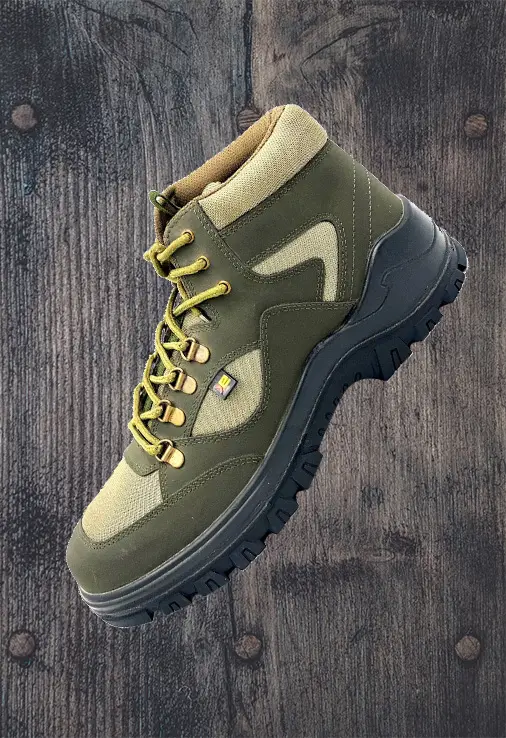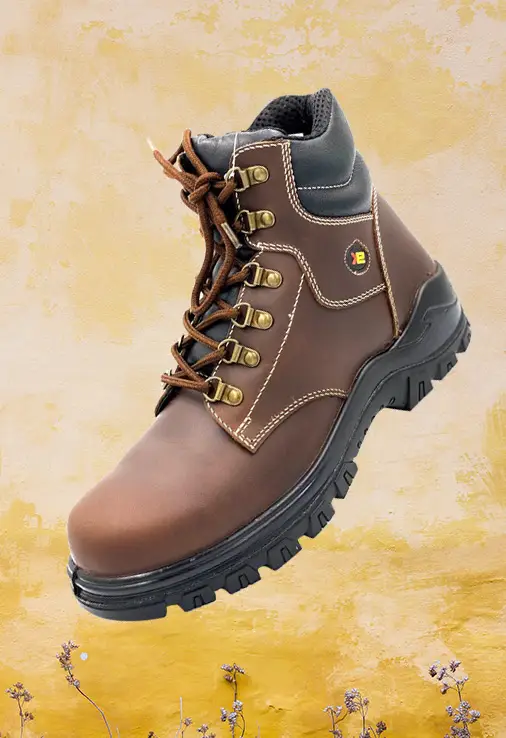
How to Choose the Best Safety Shoes in India for Industrial Protection
Industrial workplaces involve multiple hazards that can put workers at risk every day. Construction sites, manufacturing units, warehouses, and engineering industries often expose employees to falling objects, slippery floors, sharp materials, and electrical risks. In such environments, proper safety footwear is not just a requirement but an essential part of workplace protection.
Choosing the best Safety Shoes in India requires more than selecting a durable pair of shoes. The right footwear should provide protection, comfort, and long-lasting performance based on the nature of industrial work.
Why Safety Shoes Are Important in Industrial Work
Foot injuries are among the most common workplace accidents. Heavy equipment, metal scraps, chemicals, and uneven surfaces can lead to serious injuries if workers wear ordinary footwear. Safety shoes are specifically designed to reduce these risks and improve protection on industrial sites.
Industrial safety shoes help protect workers from:
- Falling or rolling objects
- Sharp materials and puncture injuries
- Slippery surfaces
- Heat and chemical exposure
- Electrical hazards
- Long working-hour fatigue
Using proper safety footwear also supports workplace safety policies and improves employee confidence during operations.
Understand Workplace Hazards Before Buying
The first step in choosing safety shoes is understanding the type of workplace risk involved. Different industries require different protective features.
Heavy Impact Work Areas
Industries such as construction, mining, and heavy engineering involve moving machinery and heavy materials. Workers in these environments require footwear with strong toe protection to prevent crushing injuries.
Wet and Slippery Floors
Oil plants, warehouses, food processing units, and industrial workshops often have slippery floors. Shoes with anti-slip soles help improve grip and reduce fall-related accidents.
Sharp Object Exposure
Metal industries and construction sites usually contain nails, glass, and sharp debris. Puncture-resistant soles provide additional protection against these hazards.
Electrical Work Environments
Electricians and maintenance professionals require electrical-resistant footwear to reduce the risk of electric shock.
Key Features of High-Quality Safety Shoes
Not all safety shoes offer the same level of protection. Buyers should evaluate several important features before making a decision.
Toe Protection
Toe protection is one of the most important elements in industrial footwear. Steel toe safety shoes provide strong protection against heavy impacts and compression.
Composite toe options are also available for workers who prefer lighter footwear while maintaining safety standards.
Slip-Resistant Sole
Slip resistance is essential for industrial protection. Rubber and PU soles provide better traction and help workers maintain balance on wet, oily, or uneven surfaces.
Comfortable Inner Design
Industrial workers often spend long hours on their feet. Safety shoes with cushioned insoles, breathable lining, and ergonomic design improve comfort and reduce fatigue.
Comfortable footwear supports productivity and helps prevent foot strain during extended shifts.
Lightweight Construction
Heavy shoes can reduce movement and cause discomfort over time. Lightweight safety shoes allow easier movement without compromising protection.
This feature is especially useful in logistics, warehouses, and manufacturing units where workers walk continuously.
Heat and Water Resistance
Some industrial sectors involve exposure to moisture, heat, or outdoor environments. Heat-resistant and water-resistant safety shoes offer additional protection and durability.
Selecting Safety Shoes According to Industry Needs
Choosing footwear based on industry requirements leads to better protection and longer product life.
Construction and Engineering
Construction workers require durable shoes with reinforced toe caps, anti-slip soles, and puncture resistance. These features protect against heavy tools and rough surfaces.
Manufacturing Industry
Manufacturing facilities require comfortable and lightweight footwear suitable for machinery handling and continuous movement.
Warehouse and Logistics Operations
Warehouse staff need flexible and slip-resistant shoes designed for lifting, walking, and material handling.
Electrical and Technical Work
Electrical industries demand insulated footwear that protects workers from electrical risks and workplace accidents. Industry-specific footwear provides more reliable protection than general-purpose shoes.
Importance of Proper Fit and Comfort
Many buyers focus only on protection and ignore fitting. Poorly fitted shoes can lead to discomfort, blisters, and reduced work efficiency.
Safety shoes should provide:
- Proper toe space
- Firm ankle support
- Comfortable cushioning
- Secure fitting without excessive tightness
Well-fitted footwear improves mobility and allows workers to perform efficiently throughout the day.
Quality and Certification Matter
Industrial safety footwear should meet recognized safety standards. Certified shoes undergo testing for impact resistance, slip protection, and durability.
Before purchasing, buyers should check:
- Product specifications
- Material quality
- Sole durability
- Safety certification
- Manufacturer reliability
Certified products generally provide better protection and long-term value. A trusted safety shoes manufacturer India can help businesses select footwear that meets industrial requirements and performance expectations.
Conclusion
Choosing the best safety shoes in India for industrial protection requires careful consideration of workplace hazards, comfort, durability, and safety features. Industrial footwear plays a major role in preventing injuries and supporting a safer working environment.
The right pair of safety shoes should deliver reliable protection while ensuring comfort during long working hours. Businesses and workers who invest in quality safety footwear create safer workplaces and improve overall productivity. For industrial footwear solutions and product information, visit 9K Nanotech
FAQs
1. Why are safety shoes important in industrial workplaces?
Safety shoes protect workers from workplace hazards such as falling objects, sharp materials, slippery floors, and electrical risks.
2. How do I choose the right safety shoes for industrial use?
Choosing the best safety shoes in India for industrial protection requires careful consideration of workplace hazards, comfort, durability, and safety features. Industrial footwear plays a major role in preventing injuries and supporting a safer working environment.
The right pair of safety shoes should deliver reliable protection while ensuring comfort during long working hours. Businesses and workers who invest in quality safety footwear create safer workplaces and improve overall productivity. For industrial footwear solutions and product information, visit 9K Nanotech
3. What is the difference between steel toe and composite toe safety shoes?
Steel toe shoes provide heavy impact protection, while composite toe shoes are lighter and more comfortable for long wear.
4. Are slip-resistant safety shoes necessary?
Yes, slip-resistant soles help reduce the risk of falls on wet, oily, or uneven industrial surfaces.
5. How long do industrial safety shoes last?
The lifespan depends on usage and workplace conditions, but quality safety shoes should be replaced when soles or protective features wear out.