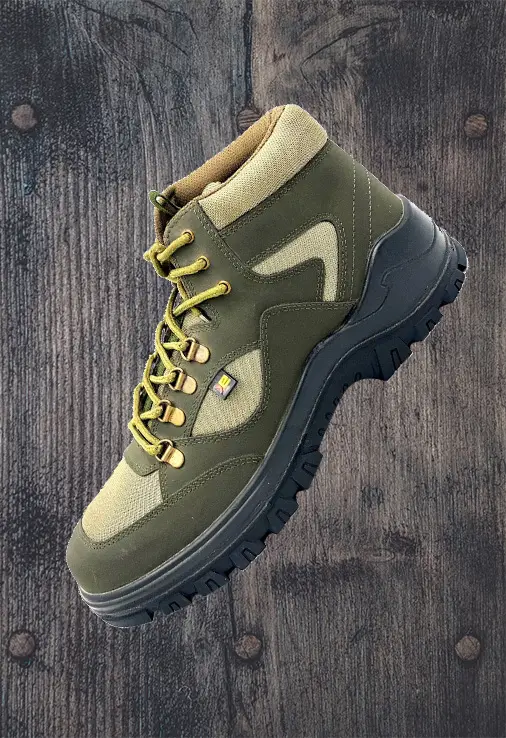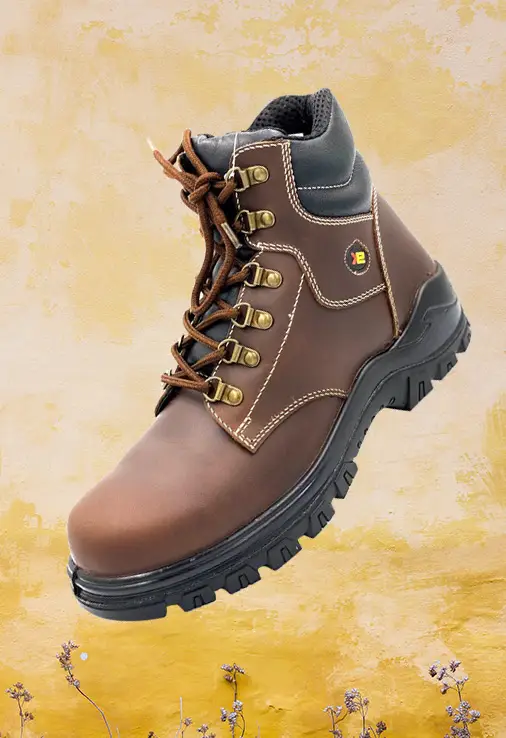
What to Look for in Industrial Safety Shoes Before Buying
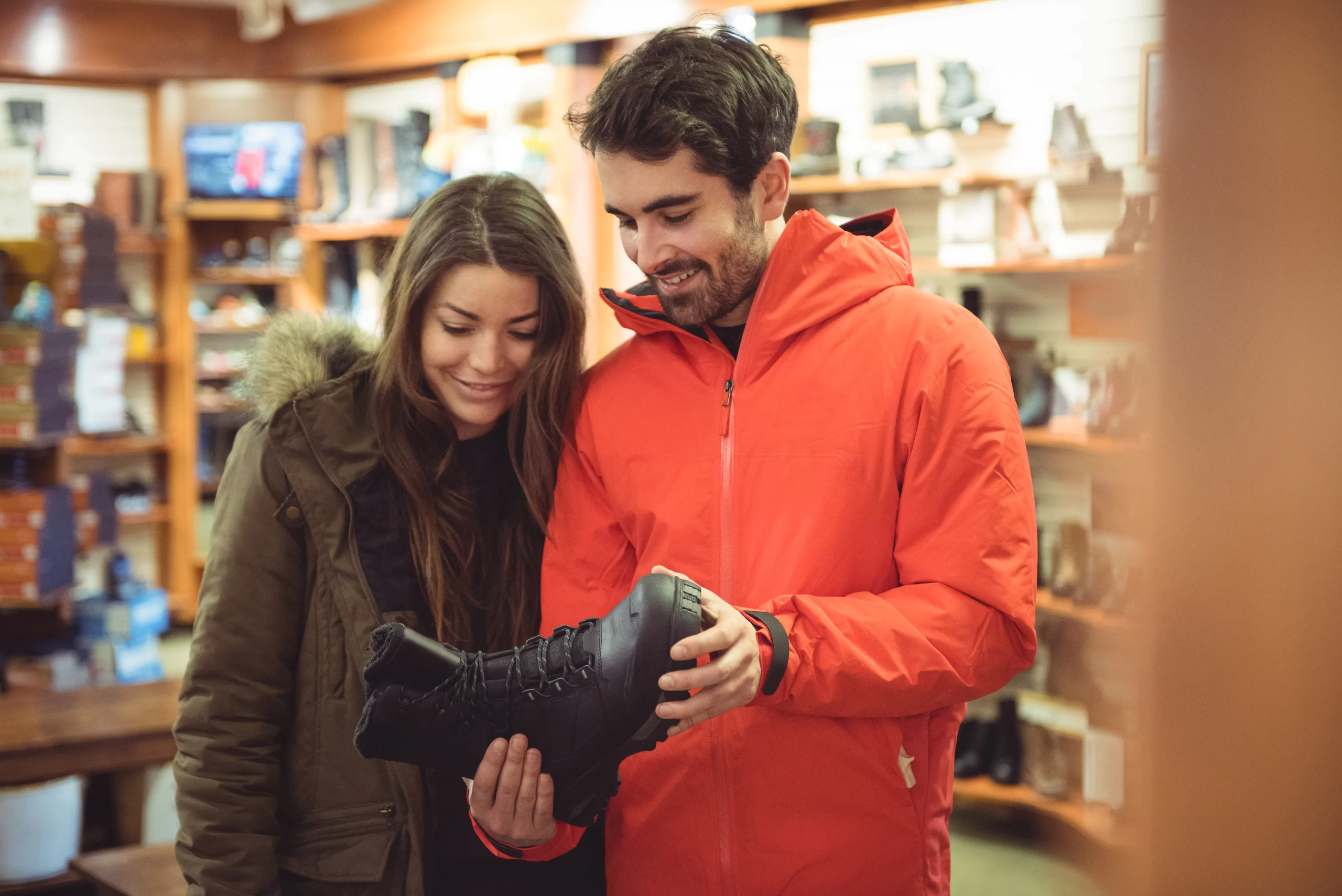
Industrial safety shoes are more than just workplace footwear; they are an essential layer of protection that directly impacts worker safety, comfort, and performance. In industries where employees handle machinery, heavy equipment, sharp materials, or hazardous surfaces, wearing the wrong shoes can increase the risk of injury and reduce productivity. That is why buying industrial safety shoes requires careful evaluation rather than simply choosing a design or price range.
The market offers numerous styles and protective features, but understanding what truly matters helps businesses and workers invest in footwear that delivers long-term value and dependable protection.
Assess the Nature of the Work Environment
Every workplace presents unique safety challenges. Construction sites, warehouses, engineering facilities, factories, and industrial plants all expose workers to different risks. Before purchasing safety footwear, identifying these hazards is the first and most important step.
Workplaces with heavy equipment demand stronger impact protection, while environments with oily or wet floors require superior grip and slip resistance. In areas involving sharp objects or metal debris, puncture resistance becomes a priority. Choosing footwear according to workplace conditions ensures that safety measures match real operational risks.
Prioritize Protective Toe Design
Toe protection remains one of the defining features of industrial safety shoes. Falling tools, moving equipment, or accidental compression can cause severe injuries if footwear lacks proper reinforcement.
Steel toe protection continues to be widely preferred in heavy-duty environments because of its high impact resistance. Composite alternatives are also gaining popularity due to their lighter construction and electrical insulation benefits. The decision should depend on job requirements and the level of protection needed for daily operations.
A strong toe cap not only protects workers but also provides confidence while performing demanding tasks.
Focus on Slip-Resistant Soles
Slips and falls are among the most common workplace accidents. Industrial environments often involve moisture, chemicals, dust, grease, or polished flooring that can compromise stability.
High-performance soles with anti-slip properties help maintain balance and reduce accident risks. Deep tread patterns and quality sole materials improve traction across multiple surfaces. Reliable grip becomes especially important in logistics operations, manufacturing units, and processing industries where workers move continuously throughout the day.
Ignoring slip resistance during purchase can lead to safety concerns that affect both employees and operational efficiency.
Comfort Is a Performance Factor
Protective footwear should never sacrifice comfort. Workers often spend long hours standing, walking, or operating equipment, making ergonomic support a critical requirement.
Poorly designed footwear can lead to fatigue, foot pain, and reduced concentration. On the other hand, safety shoes with proper cushioning, breathable interiors, and supportive construction improve mobility and reduce physical stress.
Modern industrial footwear is increasingly designed to balance protection with comfort. Lightweight construction, padded collars, shock absorption, and airflow support contribute to a better working experience without compromising safety standards.
Examine Material Quality and Build Strength
The durability of industrial footwear depends largely on material selection and manufacturing quality. Low-grade shoes may initially appear cost-effective but often wear out quickly under demanding conditions.
Premium leather, reinforced stitching, abrasion-resistant soles, and durable inner construction indicate dependable craftsmanship. Long-lasting shoes not only provide better protection but also reduce replacement costs and downtime.
Businesses searching for reliable industrial footwear often prefer products manufactured with proven materials capable of performing consistently under harsh conditions.
This is one reason why buyers looking for an industrial safety shoes supplier in India or trusted industrial safety shoes manufacturers in India pay close attention to build quality before making a purchase decision.
Puncture and Impact Resistance Matter
Industrial floors frequently contain nails, sharp metal fragments, and heavy materials. Standard footwear may fail to protect against these hazards, leading to serious injuries.
Puncture-resistant midsoles create an additional protective barrier that helps prevent penetration from sharp objects. Shock-absorbing soles and impact-resistant construction further enhance protection during physically demanding work.
For construction, fabrication, and mechanical industries, these features are often considered essential rather than optional.
Electrical and Heat Resistance
Certain industrial sectors involve exposure to electricity, heat, or hazardous temperatures. In these environments, footwear must provide specialized protection.
Electrical hazard-resistant shoes help reduce the risk of electric shock by limiting conductivity. Heat-resistant soles maintain structural integrity when exposed to elevated temperatures and rough industrial surfaces.
Selecting the appropriate resistance level according to workplace requirements improves safety and ensures compliance with operational standards.
Choose the Right Fit and Size
Even the most advanced safety shoe becomes ineffective if it does not fit correctly. Tight footwear causes discomfort and pressure, while loose shoes may reduce stability and increase accident risk.
Proper sizing should provide secure heel support, sufficient toe space, and balanced foot movement. Workers should evaluate comfort while walking and standing rather than relying solely on standard size numbers.
Well-fitted safety footwear encourages consistent use and improves overall workplace performance.
Evaluate Safety Standards and Supplier Reliability
Industrial safety footwear should meet recognized safety certifications and testing standards. Compliance ensures that the product has been evaluated for impact resistance, durability, slip performance, and protective reliability.
When purchasing footwear, the supplier’s reputation is equally important. Companies seeking a dependable safety shoes supplier or established safety shoes manufacturer often assess quality assurance, product consistency, and industry experience before placing orders.
Conclusion
Buying industrial safety shoes should be a strategic decision rather than a routine purchase. Workplace hazards, protective features, material quality, comfort, fit, and certification all play a role in determining the right choice. Investing in properly designed footwear protects workers, reduces accidents, and supports smoother industrial operations.
The right pair of industrial safety shoes is not simply protective equipment, it is an investment in workplace safety, productivity, and long-term performance.
FAQs
1. What factors should be considered before purchasing industrial safety shoes?
Before purchasing industrial safety shoes, it is important to evaluate workplace hazards, toe protection, slip resistance, material quality, comfort, durability, and compliance with safety standards.
2. How do industrial safety shoes improve workplace safety?
Industrial safety shoes help protect workers from impact injuries, slips, punctures, and other workplace hazards, reducing accident risks and supporting a safer working environment.
3. Which type of toe protection is suitable for industrial applications?
The appropriate toe protection depends on the work environment. Steel toe and composite toe options are commonly used to provide protection against heavy impact and compression hazards.
4. Why is slip resistance important in industrial footwear?
Slip-resistant soles provide improved traction on wet, oily, or uneven surfaces, helping minimize workplace slips and falls.
5. How can businesses identify high-quality industrial safety shoes?
High-quality safety shoes are generally made with durable materials, reinforced construction, comfortable interiors, and certified protective features designed for industrial use.
6. Are industrial safety shoes suitable for long working hours?
Yes, modern industrial safety footwear is designed with ergonomic support, cushioning, and breathable materials to enhance comfort during extended work shifts.
7. How often should industrial safety shoes be replaced?
Replacement depends on workplace conditions and wear levels. Safety shoes should be replaced when soles, toe protection, or structural support show visible damage or reduced performance.