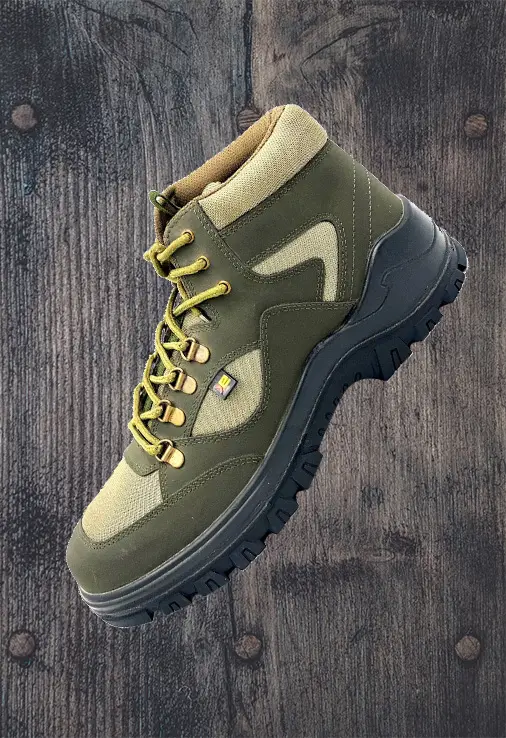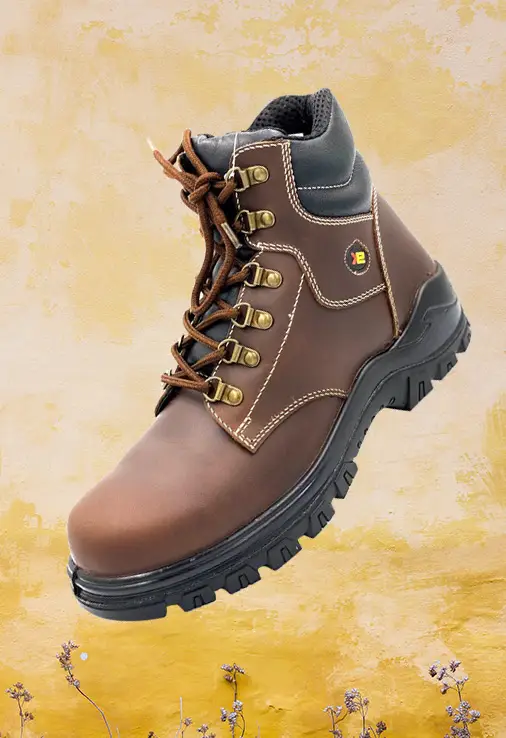
Key Features That Define Reliable Industrial Safety Footwear
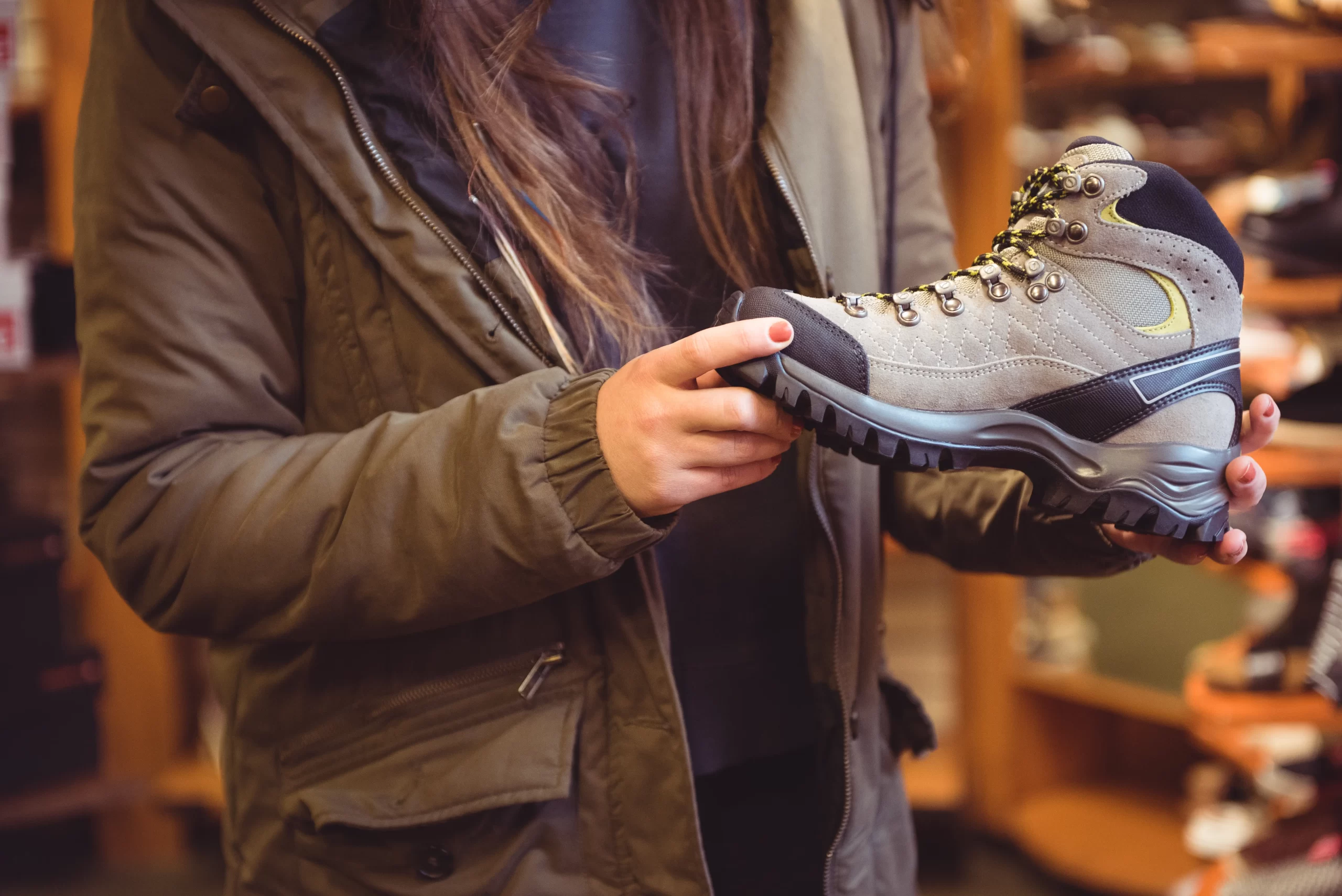
Industrial workplaces involve daily risks such as falling objects, slippery floors, sharp materials, and electrical exposure. Proper safety footwear helps reduce these risks and supports worker comfort during long shifts. Choosing the right footwear depends on protection, durability, and workplace requirements.
9KNanoTech provides footwear solutions designed for industrial environments where safety and performance are essential.
Toe Protection
Toe protection is one of the most important features of safety footwear. Heavy tools, machinery parts, and materials can cause serious foot injuries.
Steel toe caps provide strong impact protection, while composite toe caps offer lightweight safety. The right choice depends on workplace conditions and required protection levels.
Slip-Resistant Soles
Slippery surfaces increase the risk of workplace accidents. Reliable safety shoes use slip-resistant soles to improve grip on wet, oily, or uneven floors.
Rubber and polyurethane soles provide better traction and help workers maintain stability during movement.
Durable Construction
Industrial footwear must handle rough conditions and regular use. Strong leather, reinforced stitching, and durable soles increase product life and maintain protection.
Durable footwear reduces replacement costs and ensures consistent safety performance.
Comfort and Foot Support
Workers often spend long hours standing and walking. Poor footwear can cause fatigue and discomfort.
Cushioned insoles, breathable lining, and ergonomic design improve comfort and support daily movement. Proper foot support also helps maintain productivity during long shifts.
Shock Absorption
Hard industrial surfaces create pressure on feet and joints. Reliable footwear includes shock-absorbing midsoles and heel support to reduce impact during walking and lifting activities.
This feature improves comfort and reduces strain on knees and ankles.
Puncture Resistance
Construction and industrial sites may contain nails, metal scraps, or sharp debris. Puncture-resistant midsoles protect feet from penetrating objects.
This feature is important in construction, engineering, and heavy manufacturing environments.
Water and Chemical Resistance
Many workplaces involve water, oil, or chemical exposure. Water-resistant footwear keeps feet dry, while chemical-resistant materials provide additional protection in specialized industries.
Choosing suitable resistance improves both safety and footwear durability.
Electrical Hazard Protection
Electrical work requires additional safety measures. Footwear designed for electrical hazard protection uses insulating materials that help reduce the risk of electric shock.
This protection is commonly required for electricians, technicians, and maintenance workers.
Heat and Abrasion Resistance
Some industries expose footwear to heat, sparks, and rough surfaces. Heat-resistant soles and abrasion-resistant materials help maintain performance under demanding conditions.
These features are useful in welding, metalwork, and heavy industrial operations.
Safety Standards
Reliable safety footwear should meet approved safety standards and testing requirements. Certified footwear ensures protection for impact resistance, durability, and workplace performance.
Compliance with safety standards helps businesses maintain safer working environments.
Conclusion
Reliable industrial safety footwear combines protection, comfort, and durability. Features such as toe protection, slip resistance, puncture resistance, shock absorption, and electrical safety help reduce workplace injuries and improve worker performance.
Selecting the right safety footwear supports both employee protection and long-term workplace efficiency.
FAQs
1. Why is industrial safety footwear important?
Industrial safety footwear protects workers from workplace hazards such as falling objects, slips, punctures, and electrical risks, helping reduce foot injuries.
2. What features should reliable safety footwear have?
Reliable safety footwear should include toe protection, slip-resistant soles, durable materials, comfort, puncture resistance, and safety certification.
3. Are slip-resistant safety shoes necessary for industrial work?
Yes, slip-resistant soles improve grip on wet, oily, or uneven surfaces and help prevent workplace accidents.
4. How do I choose the right safety footwear for my workplace?
Choose footwear based on workplace hazards, including impact risks, sharp materials, electrical exposure, water contact, and comfort requirements.
5. How long does industrial safety footwear usually last?
The lifespan depends on usage and work conditions, but high-quality safety footwear generally lasts longer with proper care and regular maintenance.
6. Why choose 9KNanoTech for industrial safety footwear solutions?
9KNanoTech focuses on providing durable and safety-focused footwear designed to support industrial workplaces with protection, comfort, and reliable performance.